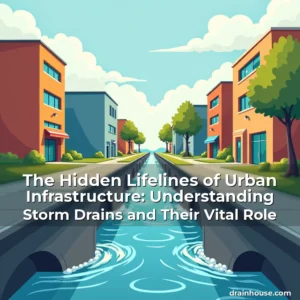
The Hidden Lifelines Beneath Our Cities: Understanding Storm Drains and Their Critical Role in Urban Infrastructure
In every bustling cityscape, beneath the pavement and asphalt lies an invisible network that ensures our streets remain safe during heavy rains. These networks are known as storm drains, vital components of urban infrastructure designed to manage rainfall runoff efficiently.
Storm drains operate independently from sewage systems, channeling rainwater away from roads, buildings, and public spaces to prevent flooding and water damage. This separation is crucial for maintaining both environmental health and structural integrity within communities.
What Are Storm Drains and How Do They Work?
A storm drain is a system of pipes, grates, and channels engineered to collect surface water from precipitation events. Unlike sewer lines that handle wastewater from homes and businesses, these drainage systems exclusively process rainwater and melted snow.
When rain falls onto impermeable surfaces such as rooftops, sidewalks, and highways, gravity pulls the water toward designated catch basins located at street corners or along curbside gutters. From there, the collected water flows through underground conduits until it reaches natural water bodies like rivers, lakes, or oceans.
- Catch Basins: These are the visible openings typically found near road edges where rainwater enters the drainage system before being directed below ground level.
- Pipes and Conduits: Once inside, water travels via pressurized pipelines which transport it across various distances depending on local topography and municipal design plans.
The Evolution of Storm Drain Systems Over Time
Historically, early civilizations managed excess water using simple methods like ditches and canals. However, modern cities have developed complex infrastructures capable of handling massive volumes of runoff quickly and effectively.
Taking cues from ancient Roman aqueducts but adapting them for contemporary needs, today’s storm drain technology incorporates materials ranging from concrete to high-density polyethylene plastics for durability against corrosion and wear over time.
Technological Advancements Shaping Modern Drainage Solutions
Recent innovations include smart sensors embedded within some drainage structures that monitor flow rates in real-time. Such data helps municipalities predict potential overflow issues well ahead of peak rainfall periods by analyzing historical weather patterns alongside current conditions.
Additionally, permeable pavements composed of specially treated aggregates allow partial infiltration of rainwater back into soil layers while still directing larger quantities safely away from vulnerable areas prone to erosion.
Environmental Impact of Effective Storm Drain Management
Properly maintained storm drain systems play a significant role in protecting ecosystems surrounding urban centers. Without adequate control mechanisms, excessive runoff could lead to habitat destruction due to sedimentation problems caused by unfiltered debris carried downstream.
By incorporating green infrastructure elements—such as bioswales filled with native vegetation—cities can naturally filter pollutants out of stormwater prior to its discharge into aquatic environments, thus improving overall water quality significantly.
Common Challenges Faced By Municipalities In Maintaining Storm Drains
Maintaining functional storm drain networks presents numerous challenges including clogging from litter accumulation, tree root intrusion blocking pipe passages, and aging infrastructure failing under increased demand pressures associated with climate change effects.
To combat these issues effectively requires regular inspection schedules combined with proactive measures aimed at preventing blockages before they become severe enough to cause localized flooding incidents during intense downpours.
Strategies For Preventive Maintenance And Long-Term Sustainability
Implementing routine cleaning operations involving vacuum trucks equipped with powerful suction capabilities enables removal of accumulated trash without disrupting normal traffic flow too much. Simultaneously deploying drone technologies allows aerial surveys identifying problematic spots requiring immediate attention without necessitating full excavation processes.
Fostering community involvement programs encouraging residents to report any signs of blocked drains or damaged grating units contributes immensely towards ensuring timely interventions occur even when official crews might otherwise be delayed responding.
Design Considerations Behind Efficient Storm Drain Layouts
Urban planners must consider several factors when designing new storm drain layouts including existing terrain features influencing gravitational pull directions, projected population growth affecting future water volume demands, and proximity considerations regarding sensitive ecological zones needing special protection protocols.
Advanced computer modeling software assists engineers visualize optimal placement locations minimizing chances of overflows while maximizing efficiency levels achieved through strategic positioning choices made based upon precise hydrological calculations performed beforehand.
Economic Implications Of Robust Storm Drain Networks
Investing adequately into resilient storm drain infrastructures yields substantial economic benefits extending beyond mere flood prevention purposes alone. Reduced property damages resulting from avoided floods translate directly into lower insurance premium costs borne by homeowners who benefit indirectly yet meaningfully from improved resilience standards implemented proactively rather than reactively after disasters strike.
Moreover, enhanced mobility options provided by non-flooded thoroughfares contribute positively toward business continuity assurances since uninterrupted access remains essential factor driving commercial activity success stories consistently observed throughout successful metropolitan regions worldwide.
Rising Concerns Regarding Climate Change Effects On Future Storm Drain Capacities
Climate scientists warn increasing frequency intensity of extreme weather events poses unprecedented threats challenging conventional approaches once considered sufficient given past climatic norms prevailing historically up until recent decades.
This necessitates reevaluating current capacity thresholds established decades ago assuming average annual rainfall figures now likely becoming obsolete rapidly due to shifting atmospheric dynamics triggered primarily by anthropogenic greenhouse gas emissions persistently accumulating unchecked globally.
Adapting To New Realities Through Innovative Engineering Practices
New construction projects increasingly prioritize adaptive designs featuring modular expansion joints allowing easy retrofitting enhancements whenever additional storage space becomes necessary owing either sudden surges exceeding initial projections or gradual increases aligning with revised long-term forecasts predicting higher than previously anticipated seasonal precipitations.
Furthermore integrating AI-driven predictive analytics tools capable forecasting flash flood probabilities hours ahead enables emergency response teams prepare accordingly adjusting resources allocations preemptively thereby reducing risk exposure faced citizens residing low lying neighborhoods susceptible periodic inundations exacerbated worsening scenarios unfolding simultaneously elsewhere across broader geographical expanses affected similarly.
Community Engagement As Key Component Towards Ensuring Functional Storm Drain Systems Remain Operational Throughout Year-Round Usage Cycles
Local governments often underestimate importance fostering active participation among populace concerning upkeep responsibilities tied closely together performance metrics assessing effectiveness reliability indices assigned respective jurisdictions managing diverse arrays geographic terrains varying degrees complexity encountered daily operations routines conducted consistently regardless external variables fluctuating unpredictably.
Education campaigns highlighting consequences neglect contributing towards development sustainable habits promoting behaviors discouraging disposal hazardous substances improperly discarded roadside potentially leading clogged pathways obstructing free passage intended originally conceived purpose serving primary function facilitating rapid evacuation surplus moisture generated frequent meteorological occurrences characterized irregularity intensity duration spanning wide spectrum possibilities.
Conclusion
Understanding how storm drains work and their significance in urban settings equips individuals better appreciate value invested maintaining robust drainage solutions integral preserving safety comfort enjoyed living densely populated environments reliant efficient management systems mitigating risks posed unpredictable nature weather phenomena impacting everyday lives profoundly.
As we continue facing evolving environmental challenges brought forth global changes reshaping landscapes permanently altering familiar surroundings, prioritizing investment upgrades maintenance procedures related storm drain networks emerges imperative step forward securing livability futures generations yet unborn inheriting legacy built today’s collective efforts shaping tomorrow’s realities.
“`
“`html
The Hidden Lifelines Beneath Our Cities: Understanding Storm Drains and Their Critical Role in Urban Infrastructure
In every bustling cityscape, beneath the pavement and asphalt lies an invisible network that ensures our streets remain safe during heavy rains. These networks are known as storm drains, vital components of urban infrastructure designed to manage rainfall runoff efficiently.
Storm drains operate independently from sewage systems, channeling rainwater away from roads, buildings, and public spaces to prevent flooding and water damage. This separation is crucial for maintaining both environmental health and structural integrity within communities.
What Are Storm Drains and How Do They Work?
A storm drain is a system of pipes, grates, and channels engineered to collect surface water from precipitation events. Unlike sewer lines that handle wastewater from homes and businesses, these drainage systems exclusively process rainwater and melted snow.
When rain falls onto impermeable surfaces such as rooftops, sidewalks, and highways, gravity pulls the water toward designated catch basins located at street corners or along curbside gutters. From there, the collected water flows through underground conduits until it reaches natural water bodies like rivers, lakes, or oceans.
- Catch Basins: These are the visible openings typically found near road edges where rainwater enters the drainage system before being directed below ground level.
- Pipes and Conduits: Once inside, water travels via pressurized pipelines which transport it across various distances depending on local topography and municipal design plans.
The Evolution of Storm Drain Systems Over Time
Historically, early civilizations managed excess water using simple methods like ditches and canals. However, modern cities have developed complex infrastructures capable of handling massive volumes of runoff quickly and effectively.
Taking cues from ancient Roman aqueducts but adapting them for contemporary needs, today’s storm drain technology incorporates materials ranging from concrete to high-density polyethylene plastics for durability against corrosion and wear over time.
Technological Advancements Shaping Modern Drainage Solutions
Recent innovations include smart sensors embedded within some drainage structures that monitor flow rates in real-time. Such data helps municipalities predict potential overflow issues well ahead of peak rainfall periods by analyzing historical weather patterns alongside current conditions.
Additionally, permeable pavements composed of specially treated aggregates allow partial infiltration of rainwater back into soil layers while still directing larger quantities safely away from vulnerable areas prone to erosion.
Environmental Impact of Effective Storm Drain Management
Properly maintained storm drain systems play a significant role in protecting ecosystems surrounding urban centers. Without adequate control mechanisms, excessive runoff could lead to habitat destruction due to sedimentation problems caused by unfiltered debris carried downstream.
By incorporating green infrastructure elements—such as bioswales filled with native vegetation—cities can naturally filter pollutants out of stormwater prior to its discharge into aquatic environments, thus improving overall water quality significantly.
Common Challenges Faced By Municipalities In Maintaining Storm Drains
Maintaining functional storm drain networks presents numerous challenges including clogging from litter accumulation, tree root intrusion blocking pipe passages, and aging infrastructure failing under increased demand pressures associated with climate change effects.
To combat these issues effectively requires regular inspection schedules combined with proactive measures aimed at preventing blockages before they become severe enough to cause localized flooding incidents during intense downpours.
Strategies For Preventive Maintenance And Long-Term Sustainability
Implementing routine cleaning operations involving vacuum trucks equipped with powerful suction capabilities enables removal of accumulated trash without disrupting normal traffic flow too much. Simultaneously deploying drone technologies allows aerial surveys identifying problematic spots requiring immediate attention without necessitating full excavation processes.
Fostering community involvement programs encouraging residents to report any signs of blocked drains or damaged grating units contributes immensely towards ensuring timely interventions occur even when official crews might otherwise be delayed responding.
Design Considerations Behind Efficient Storm Drain Layouts
Urban planners must consider several factors when designing new storm drain layouts including existing terrain features influencing gravitational pull directions, projected population growth affecting future water volume demands, and proximity considerations regarding sensitive ecological zones needing special protection protocols.
Advanced computer modeling software assists engineers visualize optimal placement locations minimizing chances of overflows while maximizing efficiency levels achieved through strategic positioning choices made based upon precise hydrological calculations performed beforehand.
Economic Implications Of Robust Storm Drain Networks
Investing adequately into resilient storm drain infrastructures yields substantial economic benefits extending beyond mere flood prevention purposes alone. Reduced property damages resulting from avoided floods translate directly into lower insurance premium costs borne by homeowners who benefit indirectly yet meaningfully from improved resilience standards implemented proactively rather than reactively after disasters strike.
Moreover, enhanced mobility options provided by non-flooded thoroughfares contribute positively toward business continuity assurances since uninterrupted access remains essential factor driving commercial activity success stories consistently observed throughout successful metropolitan regions worldwide.
Rising Concerns Regarding Climate Change Effects On Future Storm Drain Capacities
Climate scientists warn increasing frequency intensity of extreme weather events poses unprecedented threats challenging conventional approaches once considered sufficient given past climatic norms prevailing historically up until recent decades.
This necessitates reevaluating current capacity thresholds established decades ago assuming average annual rainfall figures now likely becoming obsolete rapidly due to shifting atmospheric dynamics triggered primarily by anthropogenic greenhouse gas emissions persistently accumulating unchecked globally.
Adapting To New Realities Through Innovative Engineering Practices
New construction projects increasingly prioritize adaptive designs featuring modular expansion joints allowing easy retrofitting enhancements whenever additional storage space becomes necessary owing either sudden surges exceeding initial projections or gradual increases aligning with revised long-term forecasts predicting higher than previously anticipated seasonal precipitations.
Furthermore integrating AI-driven predictive analytics tools capable forecasting flash flood probabilities hours ahead enables emergency response teams prepare accordingly adjusting resources allocations preemptively thereby reducing risk exposure faced citizens residing low lying neighborhoods susceptible periodic inundations exacerbated worsening scenarios unfolding simultaneously elsewhere across broader geographical expanses affected similarly.
Community Engagement As Key Component Towards Ensuring Functional Storm Drain Systems Remain Operational Throughout Year-Round Usage Cycles
Local governments often underestimate importance fostering active participation among populace concerning upkeep responsibilities tied closely together performance metrics assessing effectiveness reliability indices assigned respective jurisdictions managing diverse arrays geographic terrains varying degrees complexity encountered daily operations routines conducted consistently regardless external variables fluctuating unpredictably.
Education campaigns highlighting consequences neglect contributing towards development sustainable habits promoting behaviors discouraging disposal hazardous substances improperly discarded roadside potentially leading clogged pathways obstructing free passage intended originally conceived purpose serving primary function facilitating rapid evacuation surplus moisture generated frequent meteorological occurrences characterized irregularity intensity duration spanning wide spectrum possibilities.
Conclusion
Understanding how storm drains work and their significance in urban settings equips individuals better appreciate value invested maintaining robust drainage solutions integral preserving safety comfort enjoyed living densely populated environments reliant efficient management systems mitigating risks posed unpredictable nature weather phenomena impacting everyday lives profoundly.
As we continue facing evolving environmental challenges brought forth global changes reshaping landscapes permanently altering familiar surroundings, prioritizing investment upgrades maintenance procedures related storm drain networks emerges imperative step forward securing livability futures generations yet unborn inheriting legacy built today’s collective efforts shaping tomorrow’s realities.
“`