The Hidden Lifelines of Urban Infrastructure: Understanding Storm Drains and Their Vital Role
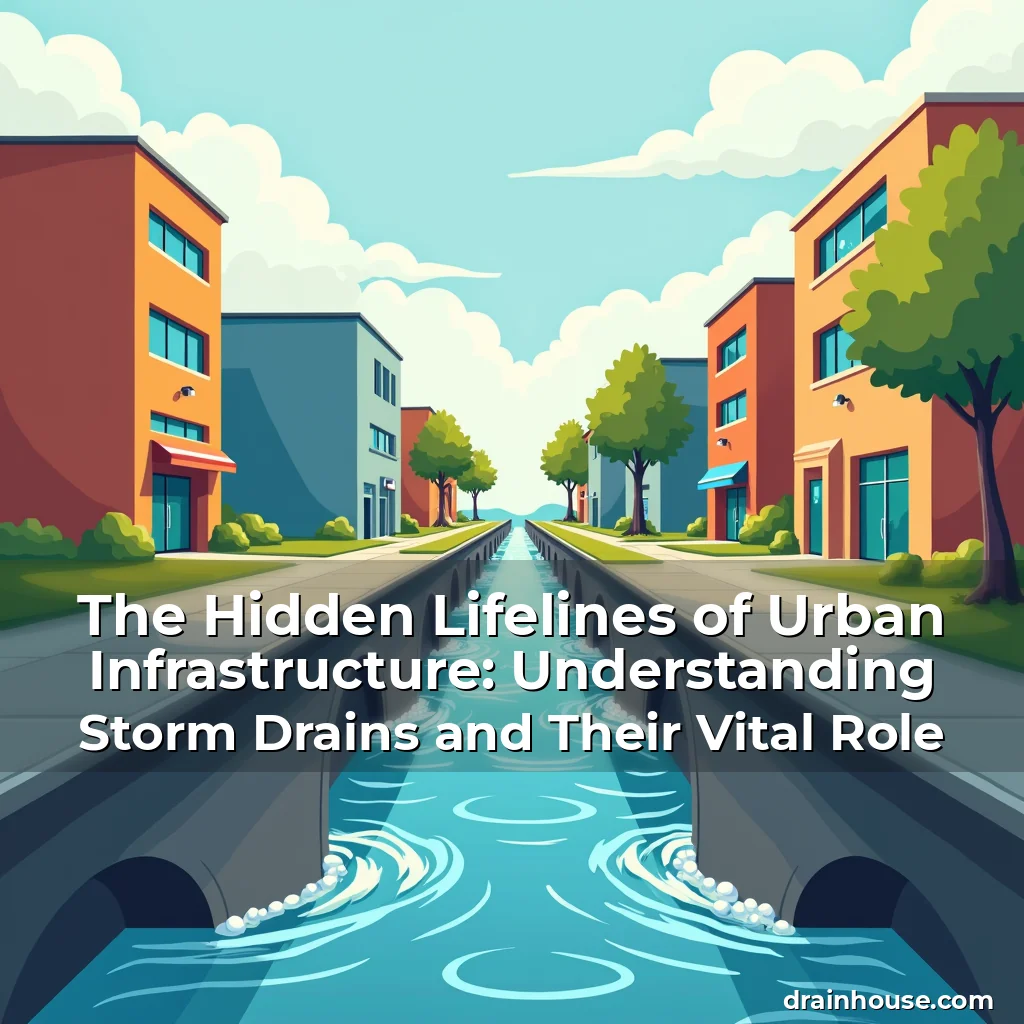
In every bustling cityscape, beneath our feet lies an often-overlooked network of systems designed to protect communities from nature’s fury—storm drains. These underground conduits are essential components of urban infrastructure, silently working to manage rainwater runoff and prevent flooding during heavy storms.
Storm drains play a crucial role in maintaining public safety and preserving property by efficiently channeling excess water away from streets, homes, and businesses. As climate change intensifies weather patterns, understanding how these systems function becomes increasingly vital for both residents and local authorities alike.
What Are Storm Drains?
A storm drain refers to any system used to collect and remove surface water from roads, parking lots, sidewalks, and other impermeable surfaces before it can cause damage or create hazardous conditions.
These systems typically consist of catch basins, pipes, and outfalls that direct water towards natural bodies of water such as rivers, lakes, or oceans. Unlike sewer lines which handle wastewater from households and commercial establishments, storm drains exclusively deal with rainfall accumulation.
Catch basins serve as entry points where rainwater flows through grates at street level down into underground piping networks. This initial filtration process helps trap larger debris while allowing smaller particles to pass through without clogging critical parts of the drainage system.
The primary purpose behind designing storm drains is twofold:
- Types: There exist various types including curb inlet drains, grate inlet drains, and combined sewers although latter ones have become less common due environmental concerns.
- Materials: Modern construction uses durable materials like high-density polyethylene (HDPE), reinforced concrete, or even recycled plastics depending upon location-specific requirements.
How Do Storm Drain Systems Work?
Understanding the mechanics behind storm drain operations provides insight into their effectiveness across different environments. At its core, these systems operate based simple yet efficient principles involving gravity-driven flow mechanisms.
Rainfall initially collects onto hard surfaces like asphalt pavement or concrete walkways until it reaches designated collection points known as catch basins. Herein lies the importance of strategic placement since improper positioning could lead inefficiencies within entire municipal grids.
Once collected inside each basin, water begins descending via vertical shafts connected directly below ground level leading toward horizontal tunnels made up primarily of plastic piping material chosen specifically because they resist corrosion better than traditional metal alternatives over time periods exceeding several decades.
This continuous movement continues until reaching terminal destinations referred collectively as “outfalls.” Outfalls represent final discharge locations where treated water exits back into surrounding ecosystems following thorough purification processes ensuring minimal impact upon aquatic life forms residing downstream areas.
Purification Processes Within Storm Drainage Networks
Though not traditionally associated with treatment facilities found alongside sewage management infrastructures, modern storm drain configurations incorporate rudimentary cleansing techniques aimed at reducing pollutants entering natural water sources.
One notable feature involves installation of baffle chambers situated strategically along pipeline routes capable of slowing water velocity thereby enabling heavier contaminants—including oil slicks, sediments, and trash—to settle out naturally prior to proceeding further downstream segments.
Additionally, some municipalities implement vegetation buffers adjacent near creek banks serving dual purposes; namely filtering particulate matter carried by runoff while simultaneously enhancing biodiversity levels around riparian zones benefiting wildlife populations significantly affected by human activity encroachment issues prevalent today.
Importance Of Maintaining Functional Storm Drains
Maintaining operational efficiency among existing storm drain structures proves indispensable when considering long-term resilience against extreme climatic occurrences becoming progressively frequent worldwide.
Neglecting routine inspections may result in catastrophic failures manifesting itself either suddenly through localized flash floods threatening nearby residential districts or gradually via erosion-induced structural degradation weakening foundations supporting critical transportation corridors spanning hundreds kilometers annually traversed daily millions people globally.
To combat deterioration symptoms early enough requires implementation robust maintenance protocols encompassing periodic cleaning schedules targeting removal accumulated solids obstructing free flowing characteristics inherent within original design specifications established during construction phases decades ago.
Furthermore, proactive monitoring technologies employing sensors embedded deep inside conduit walls offer real-time data regarding blockages forming internally thus permitting preemptive intervention measures preventing escalation situations otherwise requiring extensive excavation works costing taxpayers considerable sums annually allocated budgetary resources otherwise intended emergency relief initiatives elsewhere.
Common Issues Affecting Storm Drain Performance
Despite meticulous engineering efforts invested creating resilient frameworks, numerous challenges persistently plague performance metrics related storm drain functionality across diverse geographical settings.
Debris accumulation constitutes foremost concern arising largely due indiscriminate litter disposal practices coupled insufficient enforcement measures deterring unlawful dumping behaviors commonly observed industrial zones lacking stringent regulatory oversight frameworks governing waste management procedures appropriately.
Tree root infiltration presents another formidable adversary particularly regions experiencing rapid urban sprawl where tree plantings inadvertently positioned too close proximity utility lines facilitating unchecked expansion organic growths penetrating pipe linings causing partial occlusions restricting volumetric capacity originally intended accommodating expected volumes incoming rainfall episodes.
Moreover, aging infrastructure exhibiting signs fatigue necessitates immediate attention lest progressive failure ensue resulting complete system collapse endangering public welfare substantially increasing municipal liabilities incurred remediation expenses far surpassing preventative upkeep costs routinely scheduled maintenance programs generally accepted industry standards.
Technological Advancements In Storm Drain Management
Recent innovations revolutionizing field mark significant strides improving reliability durability conventional methodologies previously relied solely mechanical interventions supplemented manual labor intensive approaches proving inadequate confronting contemporary demands imposed evolving environmental landscapes.
Sensor-based monitoring solutions equipped advanced telemetry capabilities transmitting live feeds centralized control rooms enable engineers assess condition remote locations instantaneously identifying anomalies triggering alerts initiating swift responses mitigating risk exposure vulnerable populace sectors prone severe inundation scenarios.
Digital modeling software utilizing geographic information systems (GIS) facilitates precise mapping intricate drainage topographies assisting planners optimize layout configurations minimizing chances overflow incidents occurring unforeseen circumstances disrupting normalcy daily routines citizens dependent seamless functioning utilities providing basic necessities survival.
Furthermore integration artificial intelligence algorithms analyzing historical meteorological records predicting future precipitation trends allows authorities prepare contingencies allocating resources effectively anticipating surge volumes likely encounter upcoming seasons accordingly adjusting capacities accordingly preemptively reinforcing weak links susceptible breaching thresholds beyond tolerances defined safety margins established regulatory agencies overseeing infrastructure development projects nation wide.
Community Roles And Responsibilities Regarding Storm Drains
While government entities bear ultimate responsibility ensuring functional integrity storm drain networks, active participation citizenry plays equally pivotal role fostering sustainable coexistence between built environment natural ecosystems intertwined delicate balance requiring mutual respect preservation shared interests promoting collective prosperity longevity.
Educational campaigns disseminating knowledge appropriate disposal methods disposing items potentially harmful ecosystem health contribute immensely towards alleviating burdens borne maintenance crews regularly tasked clearing obstructions impairing fluidity operations crucial safeguarding communal well-being.
Volunteer clean-up drives organized neighborhood associations prove effective means augmenting efforts professional services managing vast territories necessitating divisional coordination amongst disparate departments responsible respective jurisdictions covering multifaceted responsibilities involved complex task maintaining equilibrium between anthropogenic activities ecological constraints.
Collaborative partnerships formed private sector stakeholders engaged developing eco-friendly products compatible biodegradable materials suitable decomposition processes occurring natural surroundings eliminate need synthetic additives detrimental marine organisms inhabiting coastal regions frequently impacted discharges originating inland sources transported oceanic pathways eventually reaching sensitive habitats needing protection against pollution threats posed chemical compounds leached soils infiltrating groundwater reserves supplying potable supplies consumed everyday lives individuals relying consistent availability fresh drinking water devoid contaminants posing health hazards.
Future Trends And Innovations In Storm Drain Design
As cities continue expanding rapidly amidst escalating climate uncertainties demanding adaptive strategies addressing unprecedented challenges emerging forefront technological frontiers hold promise transforming conventional paradigms redefining parameters success sustainability objectives pursued global population centers striving achieve harmonious relationship nature constructed realms coexisting symbiotically rather adversarially.
Green infrastructure concepts gaining traction advocate incorporation permeable pavements porous concrete tiles absorbing moisture seeping deeper layers subsoil replenishing aquifers concurrently decreasing surface runoffs contributing reduced strain conventional drainage architectures currently burdened excessive load bearing pressures attributable intensified precipitation cycles altering hydrological dynamics significantly affecting drainage efficiencies hitherto taken granted stable conditions.
Smart grid technologies interconnecting sensor arrays integrated IoT platforms promising enhanced predictive analytics enabling dynamic adjustments respond fluctuating demand patterns optimizing resource allocation aligning infrastructure needs evolving societal expectations shaped demographic shifts economic fluctuations influencing consumption behaviors determining extent pressure exerted upon available capacities constrained finite physical space occupied burgeoning metropolises contending spatial limitations housing growing masses seeking opportunities employment advancement personal fulfillment aspirations.
Biophilic designs emphasizing aesthetic integration flora fauna within architectural blueprints foster psychological benefits residents cultivating stronger emotional connections environments inhabit encouraging stewardship attitudes nurturing protective instincts towards conservation endeavors actively participated shaping policies guiding decisions impacting legacy left future generations inheriting world enriched regenerative systems restoring depleted landscapes healing wounds inflicted past neglect indifference toward fragile balances sustaining life myriad forms dependent interconnected webs dependencies unacknowledged until crises compel recognition necessity holistic approach prioritizing planetary wellness above narrow self-interests perpetuated shortsightedness disregarding long-term repercussions present actions.
Conclusion
Storm drains form integral element urban fabric, serving silent sentinels defending against deluges protecting invaluable assets comprising properties livelihoods cherished memories forged communal spaces thriving vibrancy cultures woven histories narrated through stories passed down generations honoring heritage preserved reverence towards natural forces revered ancient times honored wisdom traditions imparted teachings reminding us humility required navigating unpredictable elements Mother Earth bestows freely bestowed blessings sometimes testing endurance resilience spirit humanity.
By embracing innovative technologies, participating in community efforts, and staying informed about local storm drain systems, everyone has a role to play in ensuring these hidden lifelines remain effective and reliable. Together, we can build more resilient cities prepared to face whatever comes next.